
Nutrition plays an important role in the performance of athletes, especially for those in high-intensity sports like Muay Thai. However, there are many misconceptions about what constitutes the “ideal” diet for fighters. Let’s break down some of the most common myths surrounding nutrition in the Muay Thai community and provide evidence-based information to set the record straight.
Myth 1: Carbohydrates Are Bad for Fighters
One of the most pervasive myths in both general fitness and combat sports is that carbohydrates should be avoided, especially for those trying to lose weight. This belief stems from low-carb or ketogenic diets that promote fat loss by drastically reducing carb intake. However, carbohydrates are essential for fighters, providing the fuel needed for intense training sessions and endurance.
The Truth About Carbs:
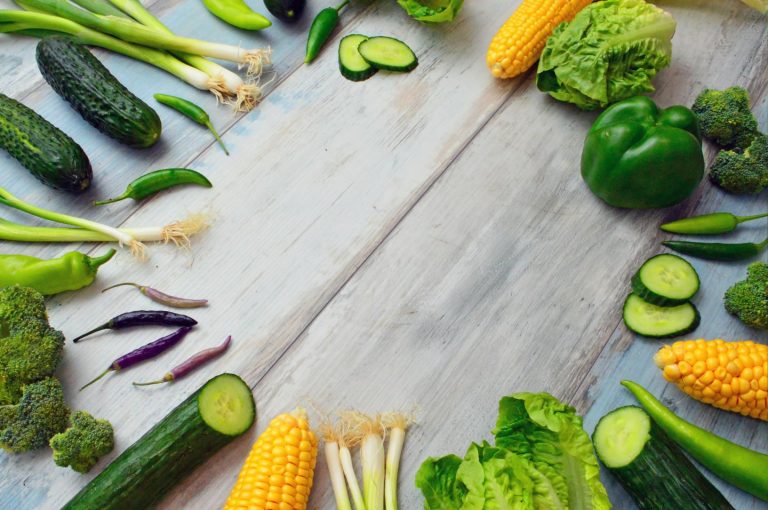
Carbohydrates are the body’s preferred source of energy during high-intensity activities like Muay Thai. Cutting carbs too drastically can lead to fatigue, slower reaction times, and decreased performance. Complex carbohydrates like whole grains, fruits, and vegetables should make up a substantial portion of a fighter’s diet.
- According to the American Council on Exercise (ACE), carbohydrates are essential for optimal athletic performance, as they provide the primary source of fuel for intense training. Fighters need to focus on getting their carbs from nutrient-dense, whole-food sources like oats, brown rice, and sweet potatoes.
Myth 2: Fighters Only Need Protein to Build Muscle
Protein is essential for muscle repair and growth, but the notion that it’s the only macronutrient fighters need is misleading. Many people believe they should consume large amounts of protein shakes and supplements while ignoring other key nutrients, such as fats and carbohydrates.
The Truth About Protein:
While protein is crucial, fighters need a balanced intake of all three macro nutrients—protein, carbohydrates, and fats. Protein helps repair muscle damage caused by intense training, but carbs and fats are also essential for overall health and optimal performance. The key is to balance all three to support energy, recovery, and muscle maintenance.
- According to Precision Nutrition, an organization focused on evidence-based nutritional coaching, athletes who only focus on protein consumption are at risk of neglecting other important macro nutrients, which can lead to decreased performance and recovery.
Myth 3: You Should Avoid Eating Fats
The “fat makes you fat” myth has long plagued the fitness world, and fighters are not immune to this misconception. Many people believe that dietary fat should be minimized or eliminated to stay lean.
The Truth About Fats:
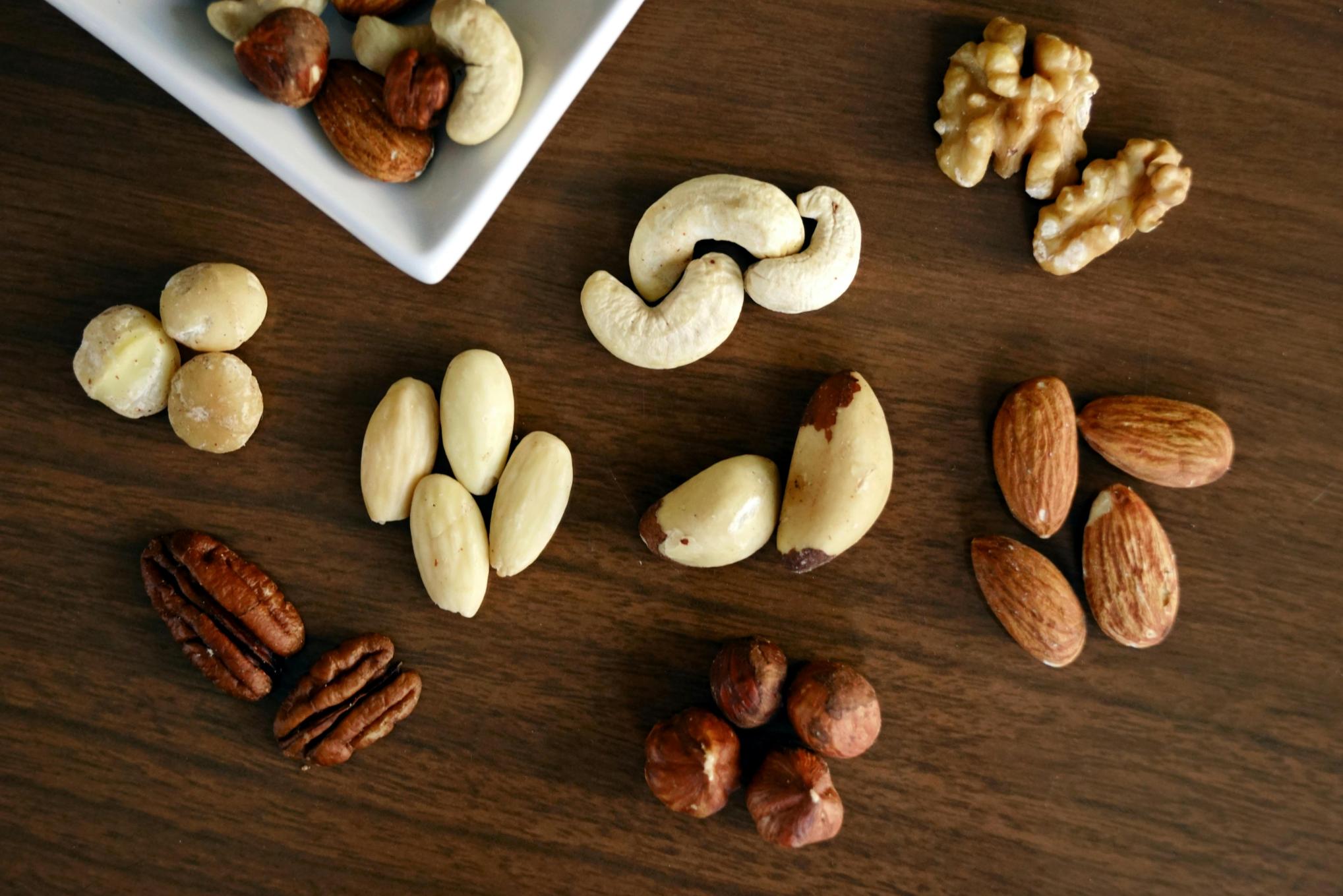
Fats are an essential part of a fighter’s diet, especially healthy fats like omega-3 fatty acids found in fish, nuts, seeds, and avocados. These fats are crucial for maintaining joint health, reducing inflammation, and improving cognitive function, which are all important for Muay Thai athletes. Additionally, fats are an excellent energy source for longer bouts of training and recovery.
Myth 4: You Should Eat Only Small Portions Throughout the Day
Another common belief is that fighters should eat multiple small meals to “stoke the metabolism.” While frequent meals can work for some, this is not a one-size-fits-all solution, and the overall quality and balance of your meals matter more than meal frequency.
The Truth About Meal Timing:
The number of meals a fighter eats in a day should be based on personal preference and convenience. The focus should be on consuming balanced, nutrient-dense meals that provide enough calories and macro nutrients to fuel training sessions and recovery.
Myth 5: Supplements Are Necessary to Excel in Muay Thai
It’s easy to be swayed by the advertising of supplement companies promising performance boosts. Many fighters believe they need to take protein powders, pre-workout drinks, and a variety of supplements to see results.
The Truth About Supplements:
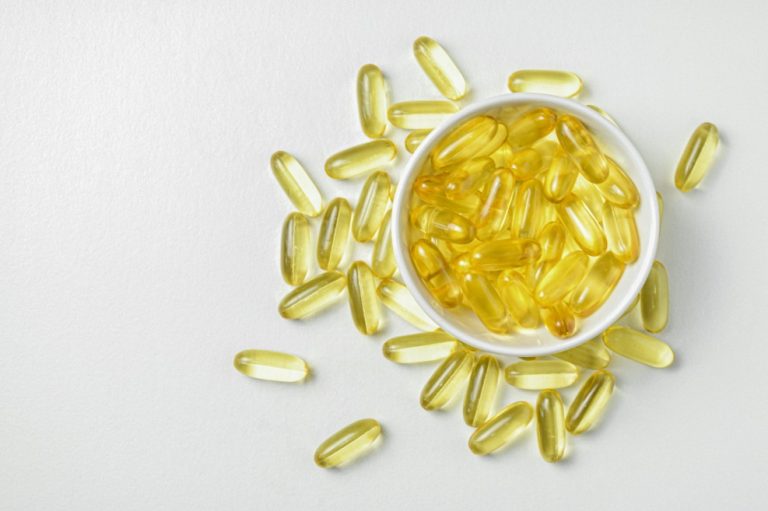
While some supplements, like creatine, omega-3s, or multivitamins, can be beneficial, they are not necessary for success in Muay Thai. Whole foods should always come first. Supplements are just that—a supplement to an already solid diet, not a replacement for proper nutrition.
FAQs
1. Should I eat before a training session?
Yes, it’s generally a good idea to have a meal or snack that includes carbohydrates and protein about 1-2 hours before your training session to fuel your body.
2. Can I still train on a low-carb diet?
While some fighters can adapt to low-carb or ketogenic diets, most athletes will perform better with sufficient carbohydrate intake.
3. Are cheat meals okay for fighters?
Occasional indulgences are fine as long as they don’t become regular habits. The key is balance and moderation.
4. How much protein should I eat per day?
For most fighters, aiming for about 1.6-2.2 grams of protein per kilogram of body weight is sufficient to support muscle recovery and growth.
5. Do I need to track my calories?
It depends on your goals. If you’re trying to lose or gain weight, tracking can be helpful. Otherwise, focusing on balanced, nutrient-rich meals is often enough.
Conclusion
When it comes to nutrition for Muay Thai fighters, it’s important to base your diet on science rather than myths. Focus on a balanced intake of carbohydrates, protein, and fats, and don’t fall for the “quick fixes” offered by supplements or trendy diets. Proper nutrition is the foundation of sustained performance, recovery, and overall well-being.
For more information about our classes and to sign up for a trial session, visit our website or contact us at +971 58 235 40 14. We offer
We look forward to welcoming you to our Muay Thai community!